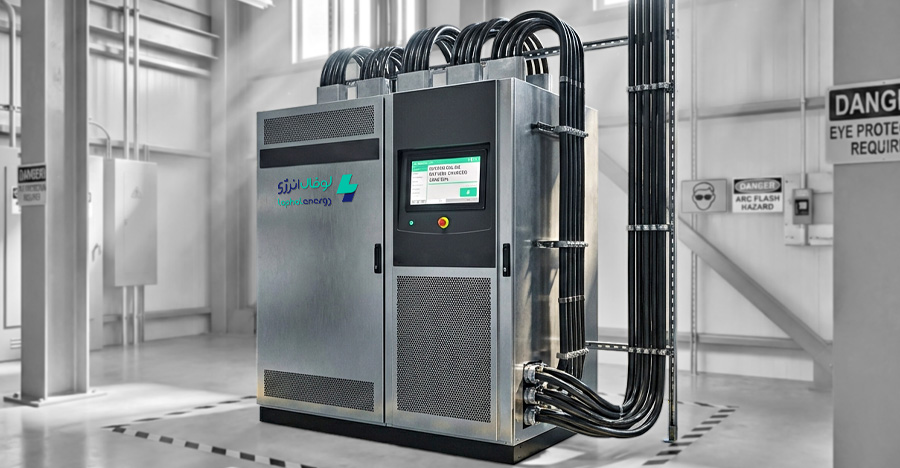
With the rapid growth of global energy consumption and the increasing use of renewable energy sources such as solar and wind power, energy storage systems have become more important than ever. In many situations, energy production does not occur at the same time as energy consumption. For example, solar energy is generated during the day, while electricity demand may be higher in the evening.
In such cases, energy storage systems (ESS) provide an effective solution by storing energy and making it available when it is needed. In this article, we will explore what energy storage is, how energy storage systems work, their main types, and their key applications.
What Is Energy Storage?
Energy Storage Systems (ESS) refer to technologies or systems that store generated energy so it can be used later when required. This energy can come from various sources such as power grids, power plants, or renewable energy systems.
The main goal of energy storage systems is to balance energy supply and demand. When energy production exceeds consumption, the excess energy can be stored. Later, when demand increases or generation decreases, the stored energy can be released and used.
These systems play a crucial role in improving energy efficiency, reducing energy waste, and enhancing the stability of power networks.
Importance of Energy Storage Systems
In many electricity networks, energy production does not always match consumer demand. At certain times of the day, electricity demand may rise sharply, while at other times production may exceed consumption.
Energy storage systems help manage this imbalance and maintain a more stable power supply. Some of the main reasons why energy storage is important include:
- Improving grid stability
- Enhancing the use of renewable energy sources
- Reducing energy production and consumption costs
- Preventing energy waste
- Providing backup power during outages
Because of these benefits, many countries are investing heavily in energy storage technologies.
How Energy Storage Systems Work
Energy storage systems operate by storing energy in a specific form and converting it back into usable energy when needed.
For example, in battery systems, electrical energy is stored as chemical energy inside the battery. When electricity is needed, the stored chemical energy is converted back into electrical power.
In general, the energy storage process involves the following steps:
- Receiving energy from a generation source
- Converting energy into a storable form
- Storing the energy within a system
- Converting the stored energy back into usable energy
- Delivering the energy when required
The exact process depends on the type of storage technology being used.
Types of Energy Storage Systems
Energy storage systems come in several different forms, each designed for specific applications and energy needs.
Battery Energy Storage
Battery storage is one of the most common methods of energy storage. In this system, electrical energy is stored in batteries and later used when needed.
Some of the most widely used battery technologies include:
- Lithium-ion batteries
- Lead-acid batteries
- Nickel-cadmium batteries
Battery storage is widely used in solar power systems, electric vehicles, and electronic devices.
Mechanical Energy Storage
In mechanical energy storage systems, energy is stored in the form of mechanical energy. One of the most well-known examples is pumped hydro storage.
In this system, excess electricity is used to pump water to a higher reservoir. When electricity is needed, the water is released to flow through turbines and generate power.
Other types of mechanical storage include:
- Flywheel energy storage systems
- Compressed Air Energy Storage (CAES)
Thermal Energy Storage
Thermal energy storage systems store energy in the form of heat or cold for later use.
For example, in some concentrated solar power plants, heat generated by the sun is stored in special materials and later used to produce electricity even when sunlight is not available.
Chemical Energy Storage
In chemical energy storage, energy is stored in chemical substances. One important example is hydrogen energy storage.
Electricity can be used to produce hydrogen through electrolysis, and the hydrogen can later be used as fuel or converted back into electricity when needed.
Applications of Energy Storage Systems
Energy storage systems are used across many industries and sectors to improve energy management and reliability.
Power Grids
In electricity grids, storage systems help balance supply and demand while improving grid stability.
Renewable Energy Systems
Renewable sources like solar and wind are intermittent, meaning their output fluctuates. Energy storage allows the electricity they generate to be used at the right time.
Buildings and Homes
Some buildings use energy storage systems to store electricity generated from solar panels for later use.
Industrial Applications
Industries use energy storage systems to reduce electricity consumption during peak hours and improve overall energy efficiency.
Electric Vehicles
Batteries serve as energy storage systems in electric vehicles, enabling them to operate without relying on fossil fuels.
Benefits of Energy Storage Systems
Energy storage technologies offer several important advantages, including:
- Improved energy efficiency
- Reduced dependence on fossil fuels
- Increased stability of electricity grids
- Better integration of renewable energy sources
- Long-term reduction in energy costs
Because of these benefits, global investment in energy storage technologies is growing rapidly.
Challenges of Energy Storage Systems
Despite their many advantages, energy storage systems also face several challenges.
Some of the main challenges include:
- High initial investment costs
- Limited storage capacity in some technologies
- The need for advanced technologies
- Battery recycling and environmental concerns
However, as technology continues to advance, many of these challenges are expected to decrease in the future.
Conclusion
Energy storage is one of the key technologies in modern energy systems, allowing energy to be stored and used when it is needed most. These systems operate using different technologies such as batteries, mechanical storage, thermal storage, and chemical storage.
Energy storage systems play a vital role in improving grid stability, increasing energy efficiency, and supporting the expansion of renewable energy. As global energy demand continues to grow, energy storage technologies are expected to play an even more significant role in the future of the energy industry.