In many modern environments, maintaining a stable power supply is critical for ensuring continuous operation of electronic equipment. However, electrical power can sometimes experience sudden outages, voltage fluctuations, or other disturbances that may interrupt operations or damage sensitive devices.
To solve this problem, specialized systems are used to provide backup and stable electricity. One of the most important of these systems is the UPS (Uninterruptible Power Supply). This device supplies backup power immediately when the main electrical source fails or becomes unstable.
In this article, we will explain what a UPS is, how it works, the different types of UPS systems, and their most common applications.
What Is a UPS?
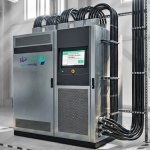
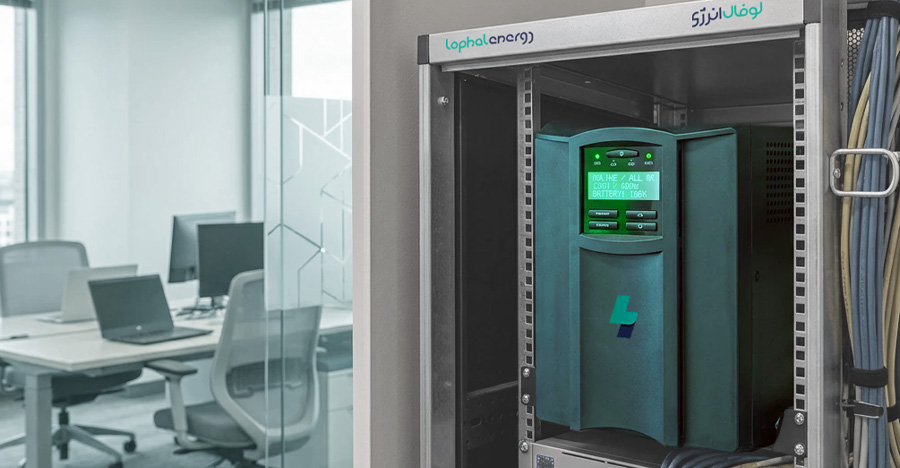
A UPS (Uninterruptible Power Supply) is a device that provides emergency power to connected equipment when the main power source fails or experiences disturbances. It is installed between the electrical source and electronic devices to ensure a stable and continuous supply of electricity.
In simple terms, a UPS acts as a backup power system. It stores electrical energy in internal batteries and automatically supplies power to connected devices when a power interruption occurs.
Using a UPS helps to:
- Prevent sudden shutdown of devices
- Protect equipment from voltage fluctuations
- Reduce the risk of data loss
- Ensure continuous operation of critical systems
For this reason, UPS systems are widely used in environments where power reliability is essential.
Why Is a UPS Important?
Electrical power from the grid is not always perfectly stable. Several problems can occur within power networks that may negatively affect electronic equipment.
Common electrical issues include:
- Sudden power outages
- Voltage drops (brownouts)
- Voltage spikes or surges
- Power fluctuations
- Electrical noise and interference
These disturbances can cause system crashes, hardware damage, or data corruption. In sensitive systems such as servers or medical equipment, even a short power interruption can create serious problems.
A UPS helps minimize these risks by providing a stable backup power source.
How Does a UPS Work?
A UPS works by storing energy in batteries and supplying that energy when the primary power source fails.
Under normal conditions, the UPS receives electricity from the main power grid and supplies it to connected devices while simultaneously charging its internal batteries.
If the power supply is interrupted or becomes unstable, the UPS automatically switches to battery power and continues supplying electricity to the connected equipment.
This transition typically occurs within milliseconds, which means connected devices continue operating without noticeable interruption.
The basic UPS operation process includes:
- Receiving electricity from the main power source
- Charging internal batteries
- Continuously monitoring power quality
- Switching to battery power during outages
- Returning to normal operation when power is restored
This process ensures that critical devices remain operational even during power disruptions.
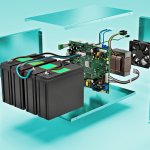
Main Components of a UPS
A UPS system consists of several essential components that work together to provide reliable backup power.
Battery
The battery is the most important component of a UPS. It stores electrical energy that will be used to power devices during a power outage. Battery capacity determines how long the UPS can support connected equipment.
Rectifier
The rectifier converts incoming AC (alternating current) power from the electrical grid into DC (direct current). This DC power is used to charge the batteries and supply internal circuits.
Inverter
The inverter converts the stored DC power from the batteries back into AC power, which is required by most electronic devices.
Charger
The charger manages the process of charging the UPS batteries while power from the grid is available.
Control System
The control system acts as the central management unit of the UPS. It monitors power quality and controls the switching between grid power and battery power when necessary.
Types of UPS Systems
UPS systems are generally classified into several types based on their operating design and level of protection.
Offline UPS (Standby UPS)
The offline UPS is the simplest type of UPS system. Under normal conditions, power from the grid is supplied directly to the connected devices.
When a power outage occurs, the UPS switches to battery power.
Key characteristics include:
- Affordable cost
- Simple design
- Suitable for home and small office use
Offline UPS systems are commonly used for personal computers and small electronic equipment.
Line-Interactive UPS
A line-interactive UPS is more advanced than the offline type and includes a built-in voltage regulation system.
This system can correct minor voltage fluctuations without switching to battery power.
Key advantages include:
- Voltage regulation capability
- Better protection against power fluctuations
- Suitable for network equipment and servers
Line-interactive UPS systems are commonly used in offices, IT environments, and small server rooms.
Online UPS (Double Conversion UPS)
The online UPS is the most advanced and reliable type of UPS system. In this design, incoming AC power is first converted to DC power and then converted back to AC power before reaching the connected equipment.
This process ensures that the output power is completely stable and free from disturbances.
Major advantages include:
- Maximum protection from power disturbances
- Completely stable output power
- Ideal for critical and sensitive equipment
Online UPS systems are commonly used in:
- Data centers
- Hospitals and medical facilities
- Industrial environments
- Telecommunications infrastructure
Applications of UPS Systems
UPS systems are used in many industries where uninterrupted power is essential.
Data Centers
Data centers rely entirely on electricity to keep servers and digital services running. Even a short outage can disrupt services or cause data loss.
Medical Equipment
Many medical devices require continuous power to ensure patient safety. UPS systems help maintain operation during electrical failures.
Security Systems
Security equipment such as surveillance cameras and access control systems must operate continuously. A UPS ensures these systems remain active during power outages.
Network Equipment
Networking devices such as routers, switches, and servers require stable electricity to maintain connectivity.
Industrial Systems
In manufacturing environments, power interruptions may stop production lines and cause financial losses. UPS systems provide backup power to maintain operations.
Advantages of Using a UPS
Using a UPS provides several important benefits for both individuals and organizations.
Key advantages include:
- Protection against voltage fluctuations
- Prevention of sudden device shutdowns
- Reduced risk of data loss
- Increased lifespan of electronic equipment
- Backup power during outages
Because of these benefits, UPS systems have become essential components in many modern infrastructures.
Difference Between UPS and Voltage Stabilizer
Some people confuse a UPS with a voltage stabilizer. While both devices help protect electronic equipment, they serve different purposes.
A voltage stabilizer only regulates voltage levels to maintain a stable output. However, it does not provide backup power during outages.
A UPS, on the other hand, provides both:
- Voltage stabilization
- Backup power through batteries
This makes UPS systems more comprehensive solutions for protecting sensitive equipment.
Tips for Choosing the Right UPS
Selecting the correct UPS requires evaluating several factors.
Power Capacity
The UPS must have sufficient capacity to support the total power consumption of connected devices.
Battery Capacity
Battery capacity determines how long the UPS can provide backup power during an outage.
UPS Type
The appropriate type of UPS should be selected based on the sensitivity and importance of the equipment being protected.
Product Quality
Choosing reliable brands and high‑quality devices can ensure better performance and longer service life.
Conclusion
A UPS (Uninterruptible Power Supply) is a critical device designed to protect electronic equipment from power outages and electrical disturbances. By using internal batteries, a UPS can immediately supply backup power when the main electricity source fails.
UPS systems are widely used in environments such as data centers, hospitals, security systems, networks, and industrial facilities. Choosing the right UPS can significantly improve power stability and help prevent equipment damage or data loss.